The best dinner parties do not come from the most elaborate menus; they come from hosts who are actually present at their own table instead of trapped in the kitchen for the entire evening. With the right planning, it is possible to serve a genuinely impressive meal and still spend most of the night with your guests.
The single most important decision you make is picking dishes that can be prepared partly or entirely ahead of time. Braises, stews, and most roasted meats often taste better the next day, once flavors have had time to settle, which means you can cook the main course the day before and simply reheat it. Salads can be assembled up to the dressing stage hours ahead, with the dressing added just before serving. Save only one or two elements, like a quick-cooking vegetable or a sauce that needs last-minute brightness, for right before guests arrive.
New hosts often overestimate how many dishes a dinner party requires. A main, one or two sides, a simple salad, bread, and a dessert is plenty for most gatherings, and a smaller menu executed well beats a sprawling one that leaves you frazzled. If you want the table to feel abundant, lean on easy additions that require no real cooking: a good cheese board, olives, or a bowl of nuts.
Most guests genuinely want to contribute, and letting them do so takes real pressure off the host. Assign something specific and low-stakes rather than a vague 'bring anything': a bottle of wine, a loaf of bread, or a simple dessert. This also naturally diversifies the table without adding to your workload.
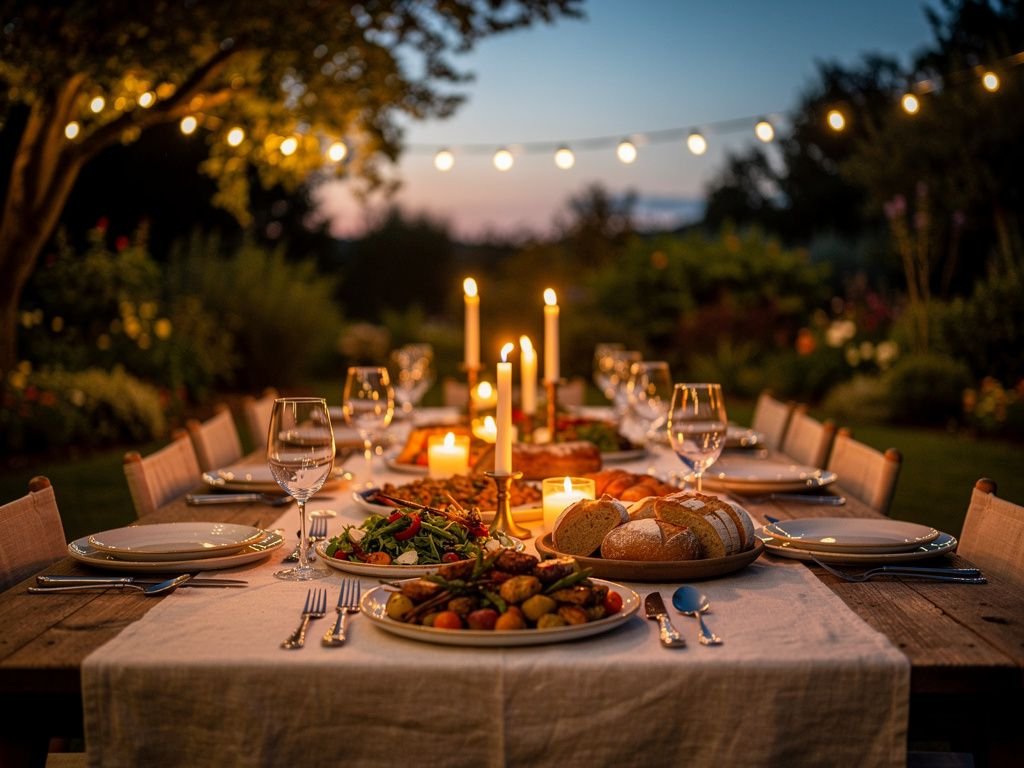
Setting the table the night before, or at least the morning of, removes one more task from the final rush before guests arrive. It also gives you a moment to think about small touches, like candles or a simple centerpiece, that make a meal feel considered without requiring much effort or cost.
Build in time to actually get ready yourself. A host who is still cooking, sweaty, and stressed when the doorbell rings sets a different tone than one who greets guests calmly with a drink already poured. Aim to have everything but the very last reheating step done at least thirty minutes before guests are expected, giving yourself a buffer to change clothes, tidy up, and take a breath.
A dinner party succeeds because of the company and conversation around the table, not because every dish was flawless. Guests rarely remember a slightly overcooked vegetable, but they do remember a host who was relaxed, present, and enjoying the evening alongside them. Plan enough to feel prepared, then let the rest of the night take care of itself.
 ImpRecipe