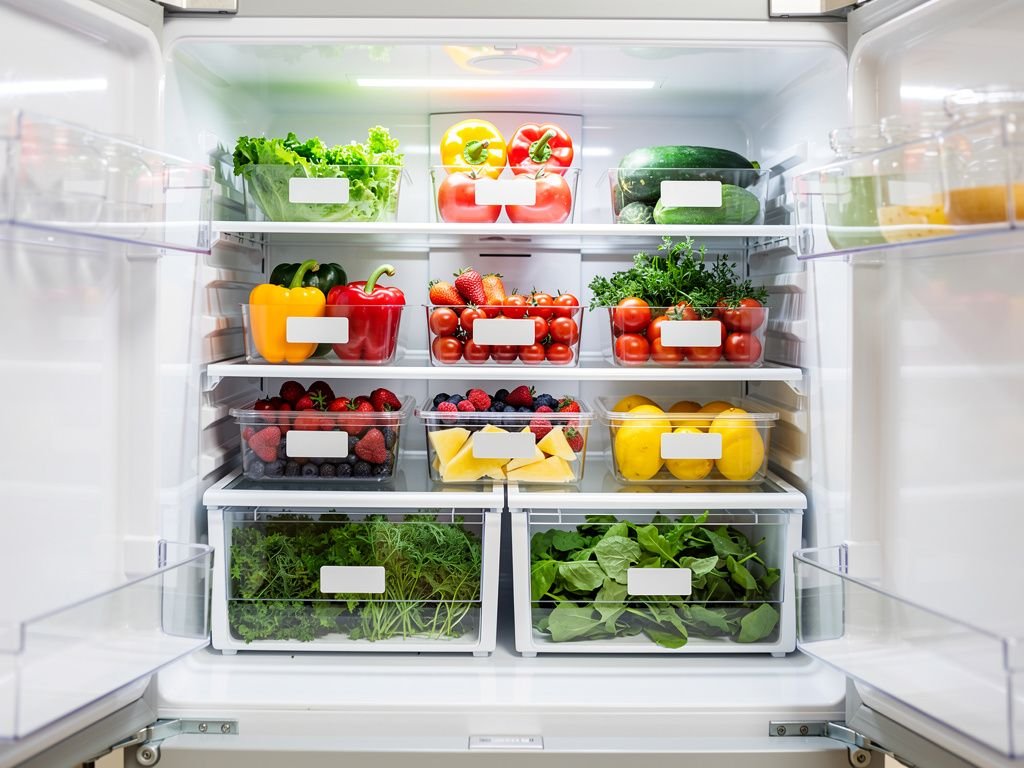
A surprising amount of household food waste has nothing to do with buying too much. It comes down to storage: produce wilting in the wrong drawer, bread going stale on the counter, or leftovers forgotten in the back of the fridge until they are no longer safe to eat. A few storage habits can meaningfully extend how long your food stays good, which saves both money and the effort of another grocery run.
Some fruits and vegetables release a gas called ethylene as they ripen, which speeds up ripening and decay in nearby produce. Apples, bananas, avocados, and tomatoes are heavy ethylene producers, while leafy greens, broccoli, and berries are especially sensitive to it. Storing ethylene producers away from ethylene-sensitive items, even just in separate bowls or drawers, can noticeably slow spoilage across your whole produce supply.
Refrigerating potatoes and onions is a particularly common mistake. Cold temperatures convert some of a potato's starch into sugar, affecting texture and flavor, while cold, humid conditions can cause onions to soften and sprout faster.
Leafy greens and fresh herbs last much longer when excess moisture is managed properly. Wash greens, spin or pat them fully dry, and store them wrapped loosely in a paper towel inside a partially sealed bag or container. The paper towel absorbs excess moisture that would otherwise cause rot. For sturdier herbs like parsley or cilantro, trim the stems and stand them in a small jar of water in the fridge, loosely covered with a plastic bag, much like a bouquet.
The freezer is one of the most underused tools for reducing waste. Bread, sliced and portioned before freezing, thaws quickly and prevents the whole loaf from going stale before it is used. Overripe bananas can be peeled and frozen for smoothies or banana bread later. Fresh herbs can be chopped and frozen in a bit of olive oil in an ice cube tray, ready to drop straight into a pan. Almost any cooked grain, soup, or sauce freezes well in a flat, labeled bag, which also saves space.
Leftovers should go into the fridge within about two hours of cooking, ideally in shallow, wide containers that let them cool quickly rather than one deep pot that stays warm at the center for hours. Label containers with the date they were made, even if it feels unnecessary in the moment, since it is remarkably easy to lose track of how old something is once it is tucked behind other items.
Borrowed from restaurant kitchens, this simple habit means new groceries go to the back of the shelf or drawer, while older items move to the front where you will see and use them first. Applied consistently to your fridge and pantry, it prevents the common scenario of buying a fresh item while an older one of the same thing quietly spoils out of sight.
Many packaged foods carry a 'best by' date that reflects peak quality, not safety, and plenty of food remains perfectly good well past that date. Smell, texture, and appearance are usually more reliable guides than the printed date alone, especially for pantry staples, hard cheeses, and eggs, which often last considerably longer than their labels suggest.
 ImpRecipe