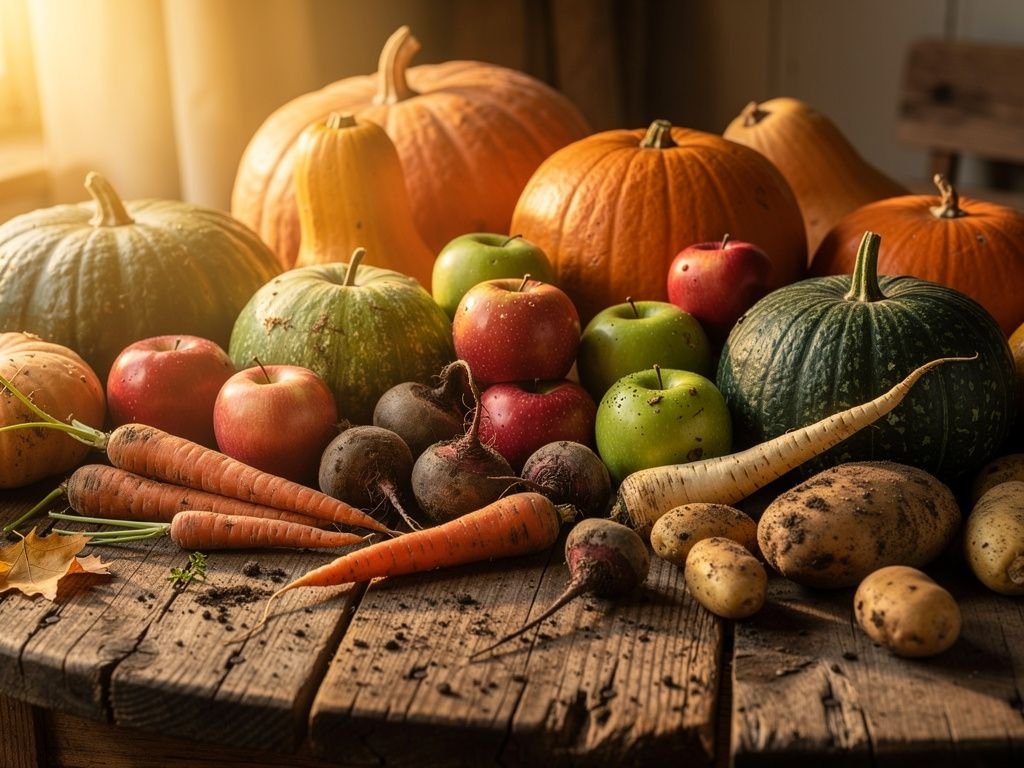
There is a specific week each year when the farmers market shifts underfoot. The last of the tomatoes and stone fruit thin out, and tables fill with winter squash, apples, and the first hardy greens. Cooking with the seasons is not about strict rules; it is about paying attention to what is actually good right now, and letting that guide what ends up on your plate.
Produce picked at peak season and sold locally tends to taste noticeably better than the same item shipped from far away out of season, simply because it has had more time to develop sugars and flavor before harvest. It is also often cheaper, since abundance drives prices down. Beyond flavor and cost, cooking seasonally naturally introduces variety into your diet throughout the year instead of relying on the same rotation of ingredients every month.
Summer cooking leans on quick, high-heat, minimal-touch methods like grilling because nobody wants to run an oven in the heat. As the weather cools, it is worth leaning into methods that take a bit longer but reward patience: roasting at high temperatures until vegetables caramelize at the edges, braising tougher cuts of meat low and slow, and simmering soups that fill the kitchen with steam. These techniques also happen to make the most of ingredients that are just coming into season.
One of the easiest ways to cook seasonally without a specific recipe is to build a sheet-pan dinner around whatever looks best that week. Toss cubed squash, sliced apple, and a protein like chicken thighs or sausage with olive oil, a warming spice like cinnamon or smoked paprika, salt, and pepper. Roast at 425 degrees until everything is caramelized and cooked through, usually 30 to 35 minutes. The sweetness of the fruit and squash balances the savory protein without needing a complicated sauce.
Early fall is a transition, not a hard cutoff. The last tomatoes, peppers, and corn are often still around and worth using while they last, even as squash and apples start to dominate the table. Some of the best early fall meals combine both: a corn and butternut squash soup, or a salad with the final cherry tomatoes alongside roasted delicata squash, captures a moment that only exists for a few short weeks each year.
Seasonal cooking is easier when your pantry supports it. Keep warming spices like cinnamon, nutmeg, smoked paprika, and cumin stocked and easy to reach as the weather turns. A good chicken or vegetable stock becomes more valuable as soup season approaches, and a bag of dried beans or lentils pairs naturally with the root vegetables now filling your produce drawer.
The single best habit for seasonal cooking is to shop before you plan, not after. Walk through a farmers market or the produce section with an open mind, buy what looks freshest and most abundant, and build your meal around it once you get home. Over time, this habit trains you to notice the season shifting in real time, long before a calendar tells you fall has arrived.
 ImpRecipe